
“The work in healthy relationships is pushing yourself to appreciate, learn from, and embrace differences, not erase them.” – Lisa Merlo-booth
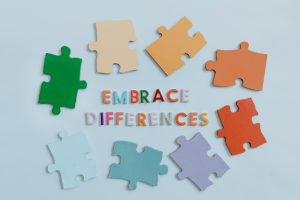
Recognizing and embracing people for who they are is a powerful act of humanity, love, and acceptance. However, allowing others to be themselves, especially when that is very different than you, is also very difficult.
This difficulty stems from the fact that no matter how you look at things, you cannot erase your lifetime of experiences, which inherently differ from those of others. Trying, however, to get your quiet spouse to be more engaged in social gatherings, pushing your introverted child to make plans with friends, or perhaps trying to tone down your “life of the party” friend so you feel more comfortable is a recipe for disaster.
Humans have a powerful egocentric pull to assume their experiences, thoughts, beliefs, etc., are “right.” As a result of this egocentricity, many people feel threatened by differences rather than accepting them. Feeling threatened by differences often leads to attempts to control, eradicate, or punish people who aren’t like you or who aren’t living the “correct” life you’ve been told to live.
These attempts to control and punish happen on both the macro-level and micro-level of life. On the macro level is race, sexual orientation, gender, religion, politics, and privilege:
- Families have, throughout history, literally disowned children for being gay out of fear of what this difference would mean to their family and often to their church.
- Individuals, institutions, and cultures have historically and still today refused to serve, allow admittance to, or honor the equality of another human being due to many reasons, including the color of their skin and their sexual orientation.
- Far too many churches, religious affiliations, and religious leaders have, under the name of God, condemned, shamed, chastised, and turned their backs on many individuals and groups (LGBTQ, divorced members, women who have had abortions, etc.).
These same attempts to control, shame, or punish, however, also play out on the micro-level every day:
- Having contempt for your adult child for having a different political or religious viewpoint from yours.
- Shaming your introverted spouse for being too quiet at social gatherings.
- Refusing to acknowledge your adult child’s intimate relationship because you don’t like their partner or sexual orientation.
- Demanding your entire household load the dishwasher the “right” way.
The work in healthy relationships is honoring differences, not changing them.
Trying to mold others into who you think they should be dismisses who they are. It’s one thing to ensure others are treating you well, sharing your opinions, or offering insights, and it’s an entirely different thing to demand that others be who you think they should be.
Challenge: Make your requests, share your opinions, and protect yourself from poor treatment. And—remember that every human being in the world is different; push yourself to appreciate, learn from, and embrace these differences, not erase them.